A revolutionary approach in brain retraction
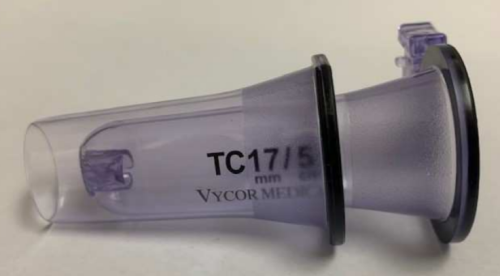
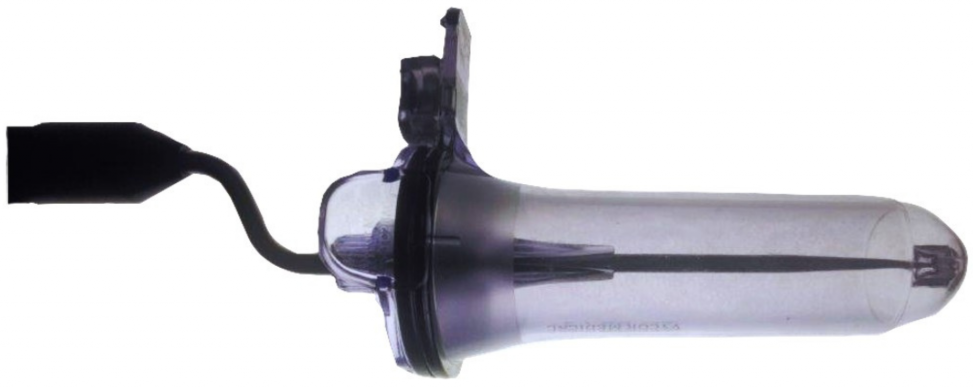
The VBAS device features a tubular design, a key departure from the flat blade or ribbon retractors historically used in neurosurgery. These traditional systems, while still standard in many neurosurgery facilities, apply pressure at the edges of the blades on surrounding brain tissue in order to maintain a surgical corridor for access. During a typically long procedure, this pressure can cause white matter damage, ischemic complications, and prolonged recovery. In contrast, the VBAS tube distributes force evenly around the surgical corridor, reducing trauma during insertion and retraction.
The tip of the device is blunt, allowing surgeons to gently separate tissue rather than cut through it, which helps preserve white matter pathways—critical for cognitive and motor functions. This is especially important in operations that involve reaching deep-seated brain lesions such as tumors, cysts, or hemorrhages, where minimizing collateral damage is essential.
Superior Shape
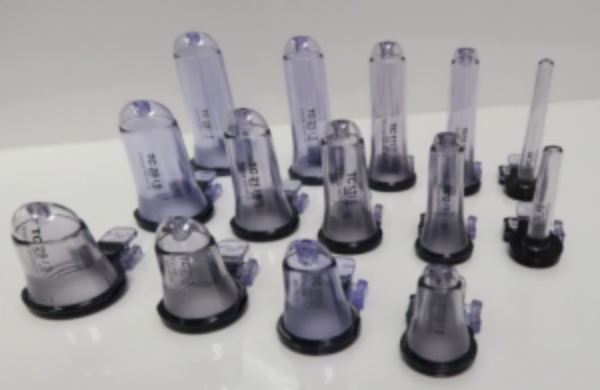
- The VBAS tubular shape disperses retraction forces over a greater surface area and has no edges where pressure build up is most common
- Blunt tip allows for progressive dilation that permits the splitting of white matter rather than its transection
- Lower risk of ischemic complications and results in faster wound healing and shorter patient recovery time
- Surgeon feedback also points to shorter OR time as no target shift issues through pulling, less consumables are needed and overall greater ease of use
Market and Clinical Need for VBAS
- Since the introduction of the first operative microscope 50+ years ago, microsurgery (and more recently, endoscopic surgery) has become an indispensable technique in neurosurgery
- In any surgical procedure adequate visualization of the operative field is critical
- The standard of care has hitherto been so-called ribbon/ or blade retractors used to create and maintain visual corridors to access targets within the brain (e.g. Greenberg, Leyla and Budde Halo retractor systems)
- The brain, like other sensitive tissue, is subject to injury from retraction – most evident but not limited to approaches to deep-seated intracranial lesions
Superior Field of View
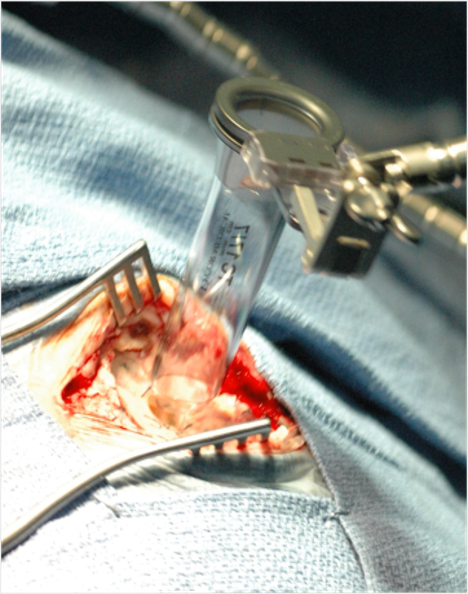
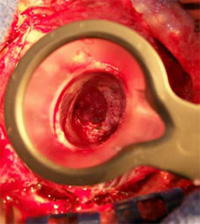
- VBAS is made of transparent polycarbonate, which significantly enhances visibility in the surgical field. Unlike metal retractors that can block the surgeon’s view or create glare under operating theatre lights, the clear walls of VBAS allow for continuous monitoring of surrounding tissue during the approach and procedure.
- Coated in biocompatible non-reflective ink which minimizes the reflection issues experienced with other retractors
Improved Working Channel
- Its elliptical shape further improves the operating environment by providing a wider working channel without requiring a larger incision and allowing bifocal vision. Surgeons can insert two instruments at once and perform bimanual surgery, a technique that allows for greater control and precision. The enclosed channel not only creates more room but also protects peripheral tissue from accidental damage caused by surgical tools or heat.
- Provides an air instead of CSF medium that provides better intra-operative visualization
Compatible with Neuronavigation
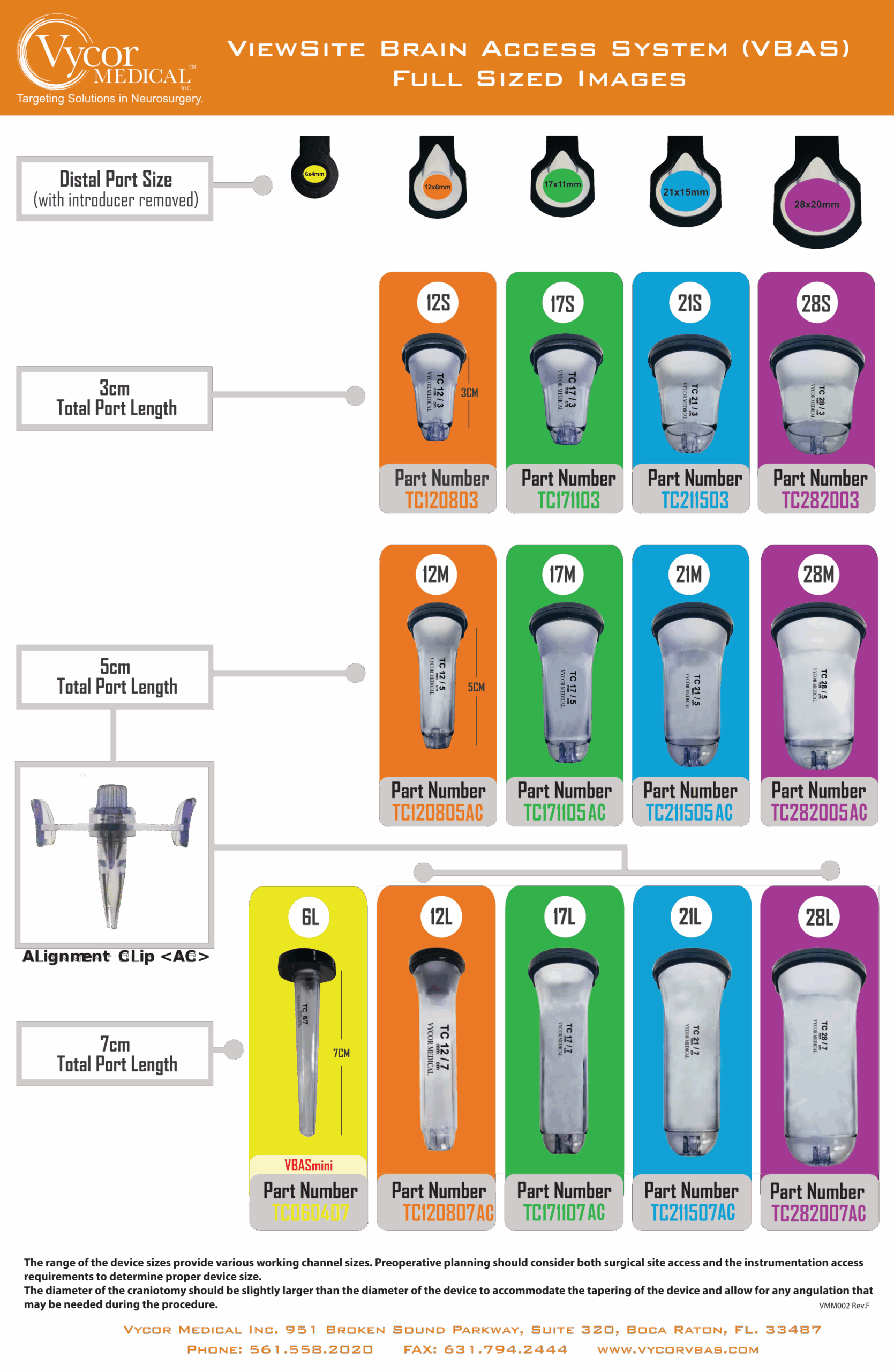
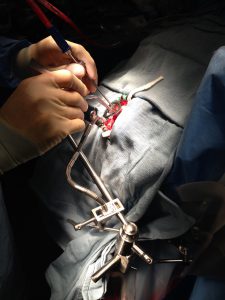
The VBAS system is compatible with the most commonly used neuronavigation platforms and computer-guided technologies that help surgeons accurately reach the pre-identified target in real time. The neuronavigation pointer or probe is inserted into the cup at the tip of the VBAS introducer, and then locked in place by the VBAS Alignment Clip, with the pointer and VBAS effectively becoming one unit.
Real-World Impact of VBAS
The real-world impact of VBAS has been demonstrated in numerous challenging cases. For example, a patient at Ohio State University was taking Avastin®, a drug that slows wound healing, which made her ineligible for standard surgery. With VBAS, the surgeon was able to access the lesion through a 3-centimeter incision, complete the procedure, and discharge the patient without complications. In another case at Lincoln Medical Center in New York, a bullet fragment lodged in the brain was successfully removed—an operation the chief neurosurgeon said would not have been attempted without VBAS.
VBAS is more than a novel device; it is backed by a growing body of clinical evidence with over 40 peer-reviewed studies and numerous additional clinical papers published involving over 500 patients. These studies report consistently positive outcomes, including shorter operating times, reduced brain damage, and faster hospital discharge. These advantages not only improve patient safety but also reduce overall treatment costs for hospitals.
VBAS has been approved and used in over 300 hospitals in the United States and numerous countries internationally, including major markets such as Japan, Canada, the United Kingdom, and countries in the European Union. Vycor supports this footprint through a network of over 1004 U.S. independent neuro-surgical sales representatives and international distributors specializing in neurosurgical devices. Over 45,000 neurosurgical procedures have been carried worldwide out utilizing VBAS.
Looking ahead, one of the most promising areas for further VBAS adoption is in the treatment of intracerebral hemorrhage (ICH)—a condition in which bleeding occurs within the brain. This condition often requires precise access to remove the blood clot and relieve pressure. With increased focus from the clinical community on using minimally invasive tubular retractors for ICH evacuation, VBAS is well-positioned to support this evolving standard of care.
Together, the device’s design innovations, clinical support, and surgeon feedback point to its growing role in modern neurosurgery. Vycor continues to improve the system, refine its applications, and expand its use globally along with the development of new variants.
Product Descriptions